

Contents:
- What a Great Statement Arrangement Looks Like When It Arrives
- What You’ll Need Before You Order
- How to Choose Huge Bouquets of Flowers: Step by Step
- Step 1: Set your budget and understand where the money goes
- Step 2: Account for where you live
- Step 3: Pick a dominant flower
- Step 4: Choose a palette that matches the message
- Step 5: Decide on the container
- Step 6: Check freshness and packaging policies
- Step 7: Nail the timing and delivery
- Step 8: Add extras only if they add meaning
- A Few Real-World Picks by Occasion and Budget
- Anniversary or big apology
- Birthday or “just because”
- New baby
- Event or office milestone
- Common Mistakes When Buying Oversized Bouquets
- FAQ: Huge Bouquets of Flowers
- How many roses make a bouquet look “huge”?
- What is the most budget-friendly way to get a big look?
- How long will a large bouquet last?
- Can I get peonies outside of spring?
- Is free delivery worth chasing?
- Next Steps: Turn Your Choice Into an Order
The box is heavier than you expected. You lift the lid and the smell reaches you first: green, cool, a little peppery from the eucalyptus, then the soft sweetness of garden roses underneath. Fifty blush heads sit packed so tightly that they look like one enormous cloud. The ribbon is still crisp. Somebody across the room says “wow” before they even see who it’s from. That is what huge bouquets of flowers are for. They aren’t a polite gesture. They are an event.
I have ordered, received and (once, regrettably) overpaid for a lot of oversized arrangements. The difference between a statement arrangement that stops a room and one that just looks expensive comes down to a handful of decisions you make before checkout. This guide walks through them in order, with real prices, so you can spend with confidence instead of hope.
What a Great Statement Arrangement Looks Like When It Arrives
Before choosing anything, picture the finished result. A successful oversized bouquet has four qualities, and you can check for all of them in a product photo.
- Density. The heads touch. You shouldn’t see gaps of filler or bare stem between blooms. Volume comes from flowers, not from tissue paper.
- A clear point of view. One dominant flower, or one tight palette. Fifty red roses read as a statement. Fifty stems of eleven different things read as a grocery shelf.
- Scale that fits the room. A 100-stem dome on a narrow hospital tray is a problem. The same dome on a dining table becomes the centerpiece of the week.
- Freshness that lasts. A statement bouquet should still look full on day five. That depends on the flowers chosen, how recently they were assembled, and how they travel.
Keep those four in mind. Every step below serves one of them.
What You’ll Need Before You Order
Ten minutes of prep saves most of the regret I see with big flower orders. Gather these first:
- A firm budget ceiling. Decide your number including delivery, add-ons and tip. Large arrangements have a way of creeping upward one upgrade at a time.
- The recipient’s space. Is it an apartment with one small table, an office reception desk, a hospital room, a party venue? Measure if you can.
- The occasion and the message. Anniversary, apology, new baby, birthday, grand opening. Color meaning matters more than people think.
- Delivery details. Address, a phone number for the recipient, building access notes, and the latest time someone will be home.
- A shortlist of two or three florists. Look at real photos, read what comes in the box, and check the freshness policy.
How to Choose Huge Bouquets of Flowers: Step by Step
Step 1: Set your budget and understand where the money goes
A large arrangement isn’t priced by “bigness.” It’s priced by stem count, flower type and labor. Roses are the most budget-friendly way to get scale because they are grown in huge volumes in Ecuador, Colombia and Kenya. Peonies and ranunculus cost more per stem and have shorter natural seasons. Hydrangeas give you massive visual volume per stem, which is why they are a smart trick for value hunters.
Here is a quick cost breakdown for a typical 50-stem rose arrangement in a US metro area. These are rough industry estimates, not any one shop’s numbers:
- Flowers (wholesale cost to the florist): roughly 30 to 40 percent of the price
- Design labor and conditioning: around 20 to 25 percent
- Packaging, hydration, vase or box: 10 to 15 percent
- Delivery and overhead: the remaining 20 to 30 percent
What that tells you: once you are paying for labor and delivery anyway, adding stems is often the most efficient upgrade. Jumping from 33 to 50 stems usually costs far less than ordering two separate medium bouquets.
For a realistic sense of real prices, here is what a single Miami florist charges across its range. At My Peonika, the “Pink Expression” garden rose bouquet runs from $152 for 21 stems to $635 for 100 stems. “Explorer” red roses start at $136, with 100 red roses at $458. The “Heaven Hydrangea” arrangement ranges from $131 to $550. At the very top, the “Overwhelming Love” basket of 200 red roses is $1,100. Those numbers give you useful anchors:
- $130 to $200: a generous medium-large bouquet, about 21 to 33 roses or a full hydrangea arrangement. Already impressive in a home.
- $250 to $500: real statement territory. Fifty to 100 roses, or a large ranunculus or peony bouquet.
- $600 to $1,100+: showstoppers. Baskets, 100+ stem domes, designer boxes built for photos and events.
Step 2: Account for where you live
Flower prices and availability shift noticeably across the country, and a budget that feels tight in one region is comfortable in another.
Northeast. In New York, Boston and Philadelphia, labor and real estate push retail prices high, and winter means almost everything is imported. Expect to pay a noticeable premium for the same stem count, especially from November through March. Local peonies show up briefly in late May and June and are worth waiting for if the timing works.
South. Florida and the Gulf Coast sit close to the Miami import hub, where a huge share of South American flowers enter the US. That proximity often means fresher roses and better value on large stem counts. The trade-off is heat: an arrangement left in a hot car or on a sunny porch can wilt within hours, so fast delivery and good hydration matter more here than anywhere else.
West Coast. California grows much of the country’s domestic cut flowers, so ranunculus, anemones and stock can be fresh and reasonably priced in spring. Big-city delivery in San Francisco or Los Angeles still carries steep labor costs, though, and traffic can stretch delivery windows.
The practical takeaway: in the South, put your money into stem count. In the Northeast, consider fewer premium stems or hydrangea-heavy designs for volume. On the West Coast, lean into local seasonal flowers in spring.
Step 3: Pick a dominant flower
The strongest statement arrangements commit to one hero flower. Here is how the main options compare for value and impact.
Roses deliver the most scale per dollar and last seven to ten days with good care. Red says passion, white reads elegant and calm, and soft pinks have become the most requested look this year. Garden roses add a fuller, ruffled head at a modest premium.
Peonies are the luxury choice. A fully opened peony is the size of a saucer, so fewer stems still feel abundant. Their traditional season is spring, which makes them scarce and pricey the rest of the year. One thing I appreciate about My Peonika is that they carry peonies year-round when stock allows and sell them in clear sizes: Small 10, Medium 21, Large 33, XL 50 and XXL 100 stems. Their “Forever Sarah Bernhardt” runs $115 to $800, and “Bowl of Cream” in white ranges from $147 to $950. You can browse the full range at https://mypeonika.com/collections/peony-bouquet, and it’s worth checking early, because many peony items sell out out of season.
Ranunculus are the insider pick. Layered petals, a long vase life of seven to ten days, and colors from cream to coral. A 50-stem mono bouquet of ranunculus looks like something out of a magazine spread. Buy them slightly closed so they open in the recipient’s home rather than in transit.
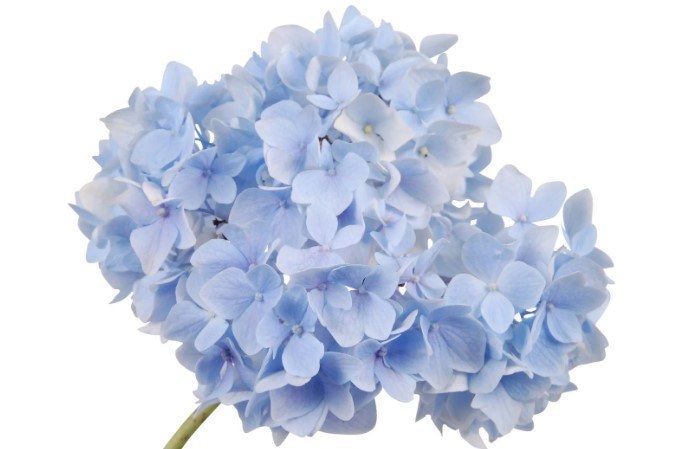
Hydrangeas are the budget hack. One stem can fill the space of five roses. Pair them with roses for a big, soft arrangement without a big price.
Orchids and anthuriums make dramatic, modern statements and hold up well in warm climates, though they read more sculptural than lush.
Step 4: Choose a palette that matches the message
Color does half the talking. A few meanings that are widely used by florists:
- White and cream: romance, purity, new beginnings. Elegant for weddings and sympathy alike.
- Blush and pink: admiration, gratitude, a fresh start. Right now soft palettes of pale pink, powder, lilac and beige are trending hard.
- Red: passion. Unmistakable for anniversaries and Valentine’s Day.
- Coral and peach: joy, warmth, perfect for birthdays.
- Yellow: friendship and cheer. Great for get-well wishes.
- Magenta: prosperity, a smart choice for a business opening.
A single-color arrangement always looks more expensive than a mixed one at the same price. Tonal palettes, such as blush to deep pink, come close.
Step 5: Decide on the container
Huge arrangements arrive in four main formats, and each solves a different problem.
- Hand-tied bouquet in kraft paper: the most budget-friendly. The recipient needs a large vase, though, so ask yourself honestly whether they own one.
- Vase arrangement: ready to display immediately. Best for offices and anyone who won’t want to fuss.
- Flower box: tightly packed and very photogenic. A box like the $789 “Statement of Love” is designed to be the centerpiece of a moment.
- Basket: the largest footprint and the most dramatic. Ideal for events, proposals and big milestones.
A trick I use often: for anything over 75 stems, plan to split the flowers into two or three vases after a few days. The arrangement keeps impressing in more than one room, and stems drink better when they aren’t crammed.
Step 6: Check freshness and packaging policies
This is where a cheap-looking deal can turn into the worst value of all. Ask three questions of any florist:
- When is the bouquet assembled? Ideally shortly before delivery, not the night before.
- How does it travel? Look for a water source attached to the stems, not just damp paper.
- What happens if it wilts early?
Here is what made me trust My Peonika for big orders. Their florists assemble each bouquet shortly before it goes out, then it travels in an aqua hydration pack inside a protective box. Flower food, care instructions and a complimentary card come with it. They also back it with a 3-Day Freshness Guarantee: follow the care instructions, and if the bouquet wilts within three days, they replace it free. On a $400 order, that guarantee is worth more than any discount code.
Step 7: Nail the timing and delivery
Large bouquets are heavy, awkward and attention-grabbing, which makes delivery logistics more important than with a small posy.
- Order early for holidays. Valentine’s Day, Mother’s Day and the weeks around Christmas drain stock quickly. A week ahead is safe; the day before is a gamble.
- Use same-day cutoffs. Many local florists offer same-day delivery with an afternoon deadline. In South Florida, My Peonika takes same-day orders until 5 PM, seven days a week, and can sometimes deliver within about an hour if the flowers are in stock.
- Watch delivery thresholds. Free delivery often kicks in at a certain spend. If you are at $175 and the threshold is $190, a small upgrade might effectively be free.
- Think about who will receive it. A 100-stem bouquet left with a doorman for six hours in July is a sad thing.
Step 8: Add extras only if they add meaning
Balloons, rose petals, plush toys and gifts can elevate a moment, but they can also double the bill without doubling the impact. My rule: one add-on that ties to the story. Rose petals for a proposal setup. A teddy bear for a new baby or a long-distance partner. A tea set for someone recovering at home. Skip the rest and put that money into stems.
A Few Real-World Picks by Occasion and Budget
To make this practical, here is how I would spend at different levels for common occasions, using the Miami catalog as an example. A huge bouquet of flowers doesn’t have to mean the top of the price list; it means choosing the right scale for the person.
Anniversary or big apology
Go red and go big. One hundred red roses at $458 is a clean, unmistakable statement. On a tighter budget, “Red Nina,” which pairs roses with eucalyptus, starts at $142 and the greenery adds bulk and fragrance.
Birthday or “just because”
A peach or coral palette feels celebratory without being romantic. “Artist’s Choice” lets you set the budget ($116 to $365) and a palette, and the florist designs around what’s freshest that day. That’s usually the best value on any menu, because you are buying the florist’s judgment on stock.
New baby
Keep it compact if the delivery is to a hospital, and avoid lilies and other strongly scented, high-pollen flowers. Soft pink roses, blush ranunculus and hydrangeas work beautifully. “Tender Pink Tranquility” at $187 or a set with balloons for a homecoming are both thoughtful options.
Event or office milestone
Baskets and boxes photograph best and hold their shape. The “Hyperpink” basket ($1,091) or the “Barbie’s Dream” WOW-arrangement ($896) are built for exactly this kind of attention.
Common Mistakes When Buying Oversized Bouquets
I’ve watched friends and clients make these over and over. None of them are about one bad shop; they are patterns across the industry.
- Paying for filler. Some sellers pad big arrangements with cheap greenery and baby’s breath to hit a “large” size. Count the hero blooms in the photo. If the price is for 50 stems, you should see something close to 50 heads.
- Trusting a single styled photo. National order-gatherers often send your order to a random local shop that builds its own interpretation. The arrival can look nothing like the listing. Ordering direct from a florist who designs in-house removes that guesswork.
- Ignoring the recipient’s space. An enormous dome in a studio apartment becomes a burden. Ask, or pick a vase arrangement in a reasonable footprint.
- Mixing too many colors. Rainbow arrangements look cheaper than they cost. Choose one or two tones.
- Ordering peonies in December without checking stock. Out-of-season stems can be smaller or unavailable. Confirm availability or switch to garden roses for a similar look.
- Skipping care. Even the best bouquet fades fast in a hot window. Recut stems at an angle every two to three days, change the water every other day, strip leaves below the waterline, and keep flowers away from fruit, which releases ethylene gas that speeds wilting.
- Last-minute holiday orders. Waiting until February 13 means picking from whatever is left, often at peak price.
FAQ: Huge Bouquets of Flowers
How many roses make a bouquet look “huge”?
Fifty stems is where most people start saying “wow.” One hundred is a true statement arrangement. Anything above that, like a 200-rose basket, is event-level and best for proposals or major milestones.
What is the most budget-friendly way to get a big look?
Choose roses or a rose and hydrangea mix in one or two colors, and pick a hand-tied bouquet or simple vase rather than a designer box. Letting the florist choose with a set budget, as with an “Artist’s Choice” style option, is often the best value per dollar.
How long will a large bouquet last?
Roses and ranunculus typically last seven to ten days with good care. Peonies are shorter-lived once fully open but put on a spectacular show. Splitting a very large bouquet into two or three vases helps every stem drink properly.
Can I get peonies outside of spring?
Yes, through imports, though stock is limited and some styles sell out. Some florists, including My Peonika in the Miami area, keep peonies available year-round when supply allows. Check early and have a garden rose backup in mind.
Is free delivery worth chasing?
Often, yes. If a florist offers free delivery above a threshold (for example, $190 within 10 miles), a small upgrade in stem count can cost about the same as paying for delivery on a smaller order.
Next Steps: Turn Your Choice Into an Order
You now have a budget, a hero flower, a palette and a container in mind. Here’s how to move from idea to doorstep:
- Write your number down. Include delivery and one meaningful add-on at most.
- Shortlist two arrangements in your chosen palette: one at your target price and one slightly below, in case stock is limited.
- Confirm delivery logistics. Recipient phone number, building access, and a time window when someone will be there to receive it.
- Write the card first. A few honest lines in your own words matter more than any upgrade.
- Order early in the day to stay well ahead of any same-day cutoff, and a week early for holidays.
For anyone sending flowers in Miami, Miami Beach, Brickell, Coral Gables, Aventura, Sunny Isles Beach, Hollywood or nearby, the full catalog with sizes, prices and seasonal availability lives at mypeonika.com. You can also pick up in person at their studio in Hallandale Beach, which is handy when you want to see the flowers before they go to the table. Choose the scale that suits the person, commit to one beautiful palette, and let the flowers do the talking.